Modern vehicles no longer rely on simple metal keys. Today’s cars use advanced security systems, encrypted transponders, smart proximity fobs, and push-to-start technology to prevent theft and improve convenience. While these systems offer better protection, they also make key replacement and programming more technical than ever before.
If you recently lost your car key, damaged your key fob, or bought a spare key online, you may wonder how key programming actually works. Many drivers assume they must visit a dealership and spend a fortune. In reality, several modern vehicles allow key programming through onboard procedures, while others require professional locksmith tools and software.
Let’s have a look at how car key programming in Brooklyn works.
How Modern Car Keys Work
Before you program a new key, you need to understand the technology behind modern vehicle security systems.
Most modern cars use a transponder chip inside the key or key fob. This chip communicates with the vehicle’s immobilizer system. When you insert the key or press the start button, the car checks whether the transponder code matches its stored security data.
If the code matches, the engine starts normally. If the code fails authentication, the vehicle blocks ignition to prevent theft.
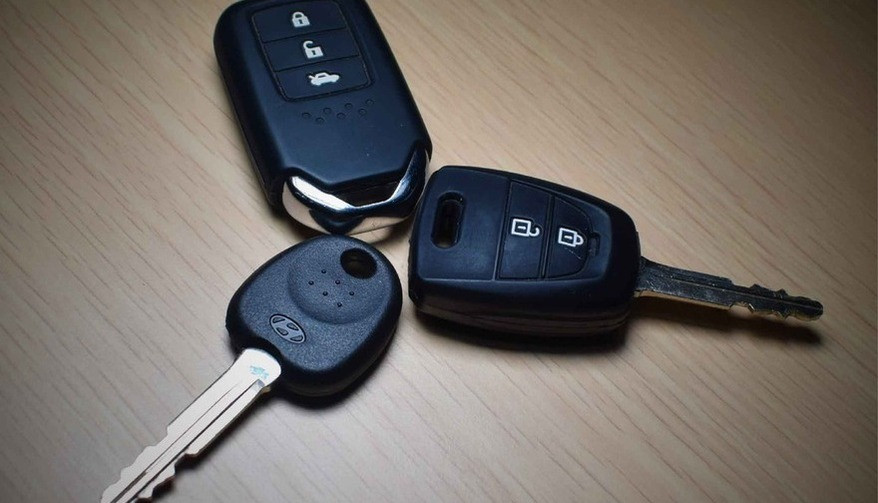
Modern keys usually fall into three main categories:
Traditional Transponder Keys
These keys look similar to older metal keys, but they contain a small electronic chip inside the plastic head. The vehicle reads the chip when you turn the ignition.
Remote Key Fobs
These keys include remote locking and unlocking functions. Many also contain panic alarms and trunk-release buttons.
Smart Keys and Push-to-Start Systems
Luxury and newer vehicles often use smart proximity keys. Drivers can unlock and start the vehicle without physically inserting the key. The car detects the smart key wirelessly within a certain range.
Each system requires a different programming process. Some vehicles support DIY programming, while others require dealer-level diagnostic equipment.
Why You Might Need to Program a New Car Key
Several situations may require key programming.
You may lose your original key and need a replacement quickly. Your existing key may stop responding because of internal chip failure or water damage. Some drivers simply want an extra spare key to avoid future lockouts.
Used car owners also commonly reprogram keys after purchasing a vehicle. This process removes previous keys from the system and improves security.
In many cases, replacing a key without programming will not solve the issue. The vehicle still needs to recognize and authorize the new transponder chip before it starts.
Can You Program a Car Key Yourself?
The answer depends entirely on the vehicle’s make, model, and year.
However, many modern vehicles block manual programming for security reasons. Brands like BMW, Mercedes-Benz, Audi, and newer Toyota or Ford models usually require professional diagnostic scanners and encrypted software access.
You can typically program certain older vehicles yourself if:
- You already have at least one working key
- The car supports onboard programming
- The replacement key matches the vehicle correctly
You usually need professional help if:
- You lost all keys
- The car uses proximity smart keys
- The immobilizer system requires PIN codes
- The manufacturer restricts programming access
Knowing the difference prevents wasted money on incompatible keys or failed DIY attempts.
What You Need Before Programming a New Key
Preparation matters more than most people realize.
You should also gather:
- The vehicle owner’s manual
- All existing keys
- A fully charged car battery
- Fresh batteries for the key fob
- Any required security PIN codes
Low voltage can interrupt programming and corrupt the immobilizer process. Always ensure the battery remains stable throughout the procedure.
If you purchased an aftermarket key online, double-check compatibility carefully. Cheap generic keys often create programming failures because manufacturers use different transponder chips and encryption protocols.
Read More: Can a Locksmith Program a Key Fob?
Step-by-Step Guide to Programming a New Car Key
Programming procedures vary across manufacturers, but many vehicles follow a similar structure.
Step 1: Sit Inside the Vehicle
Close all doors completely before starting. Most vehicles require secure conditions to remain stable during programming.
Keep every key you want to program inside the vehicle. Some systems erase old keys automatically during reprogramming.
Step 2: Insert the Existing Working Key
Insert the working key into the ignition and turn it to the “ON” position without starting the engine.
Leave the ignition active for several seconds. The vehicle enters programming mode during this stage.
Some cars require cycling the ignition multiple times within a specific timeframe.
Step 3: Replace It With the New Key
Remove the original key quickly and insert the new key.
Turn the ignition to the “ON” position again. Watch for dashboard lights or security indicators. A flashing immobilizer light usually means the system still rejects the new transponder.
If the programming succeeds, the security light typically turns off or stays solid briefly.
Step 4: Test All Functions
After programming, test every function carefully.
Check:
- Engine start
- Door locking and unlocking
- Remote buttons
- Trunk release
- Push-to-start detection
Many drivers stop after the car starts, but remote features sometimes require separate synchronization.
Why Some Vehicles Require Professional Programming
Modern anti-theft systems continue evolving every year. Manufacturers now use encrypted communication channels, rolling security codes, and VIN-linked authorization systems.
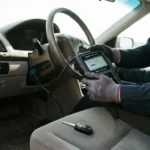
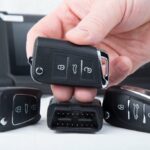
Professional locksmiths use advanced diagnostic tablets and programming devices that communicate directly with the vehicle’s onboard computer.
These tools can:
- Access immobilizer systems
- Read transponder data
- Program proximity keys
- Delete stolen keys
- Reset security modules
- Generate emergency key codes
Dealerships usually offer similar services, but automotive locksmiths often provide faster mobile service at lower prices.
This matters during emergencies. If you lose all keys late at night or away from home, waiting days for a dealership appointment creates unnecessary inconvenience.
Need Fast and Reliable Car Key Programming?
Susu Locksmith provides professional automotive locksmith services for modern vehicles, including transponder key programming in Brooklyn, smart key replacement, emergency lockout assistance, ignition repairs, and mobile locksmith support. Our experienced team handles a wide range of vehicle makes and models with fast response times and advanced programming equipment.
If you need a replacement car key or immediate locksmith assistance, call us now.