Most people change their locks after something goes wrong. A break-in, a lost key, a tenant who moved out without returning the spare. But the signs that a lock needs replacing often show up well before anything goes wrong, and catching them early is what keeps a property secure without waiting for a problem to force the decision. If you are in Brooklyn and are not sure whether your current locks are still doing the job, calling a locksmith in Brooklyn for an assessment is a straightforward first step.
You Recently Moved Into a New Property
This applies to both homeowners and business operators. When you move into a property, you have no way of knowing how many copies of the existing keys are in circulation. Previous tenants, contractors, neighbours, or property managers may all have had keys cut at some point during the building’s history.
Changing the locks or rekeying them after a move is the only way to confirm that access is fully under your control. Rekeying changes the internal pins so that previous keys no longer work while the hardware stays in place. For properties with multiple exterior doors, getting all locks on one new key makes access management simpler from day one.
A Key Was Lost or Stolen
A lost key that turns up in the wrong hands is not a theoretical risk. If a key was lost in a public place, on public transit, or in a situation where someone could connect it to your address, the lock it opens needs to be changed or rekeyed.
This applies to both residential and commercial properties. For businesses in Brooklyn where a key ring carries both a building key and a vehicle key, or a key with a company tag, the connection between the key and the property is not hard to make for someone who finds it. Lock rekeying services handle this quickly and at a lower cost than full replacement when the hardware itself is still in good condition.
The Lock Shows Physical Signs of Wear
A lock that has been on a door for ten or fifteen years accumulates wear that is not always visible from the outside. The internal pins and springs degrade over time, the cylinder loses its precision, and the bolt mechanism loses its smooth action. You will notice this as a key that requires wiggling to turn, a bolt that does not extend all the way, or a cylinder that feels loose when the key is inserted.
These are not cosmetic issues. A worn cylinder does not hold its pins at the correct tension, which means it offers less resistance to picking than a cylinder in good condition. A bolt that does not extend fully does not engage the strike plate properly, which reduces the force required to push the door open.
Also Read: How to Choose the Best Door Locks for Your Home
The Lock Was Damaged During a Break-In Attempt
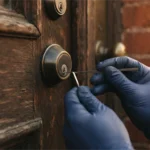
A lock that survived a break-in attempt visually may not be structurally intact. Forced entry attempts put stress on the cylinder, the bolt mechanism, and the housing in ways that create internal damage not visible from the surface. A cylinder that was drilled or pried at during an attempt may turn, but no longer provides the resistance it was designed to deliver.
After any forced entry attempt, a residential locksmith should inspect the lock before you continue relying on it. In most cases, replacement is the right call because the integrity of the mechanism cannot be verified without opening it.
You Have Low-Grade Hardware on Exterior Doors
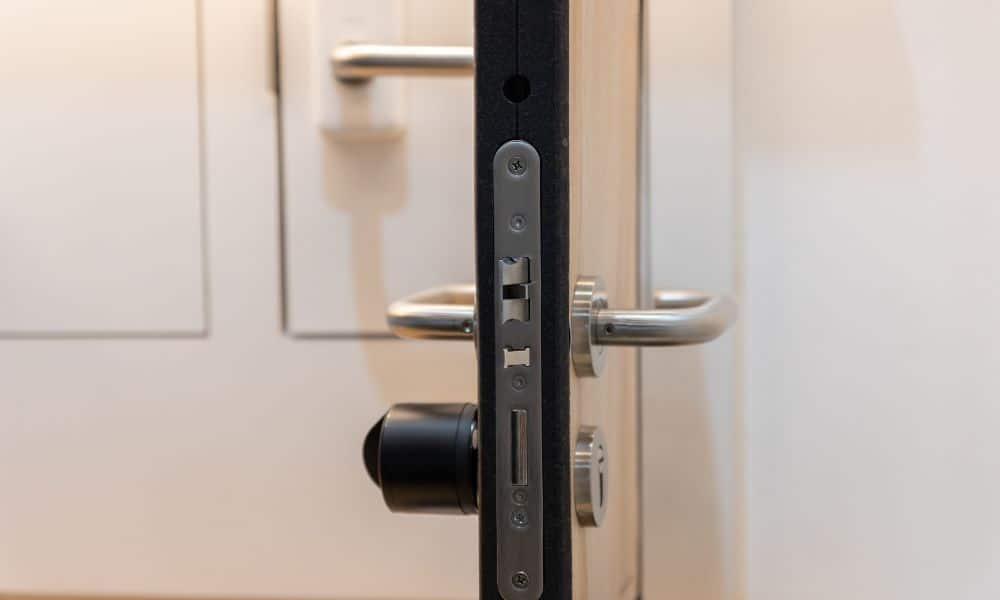
A lot of Brooklyn apartment buildings and commercial properties have Grade 2 or Grade 3 deadbolts as the original hardware. The American National Standards Institute grades locks from Grade 1 to Grade 3, with Grade 1 offering the highest resistance to forced entry and pick attacks.
If your exterior door has Grade 3 hardware, upgrading to Grade 1 adds meaningful resistance without major cost. According to the Bureau of Justice Statistics, more than half of all burglaries in the US involve forced entry through a door. A Grade 1 deadbolt combined with a reinforced strike plate addresses the most common method used in residential and commercial break-ins.
A Tenant, Employee, or Contractor No Longer Has Authorized Access
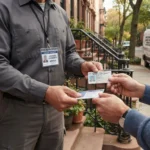
For landlords, property managers, and business owners in Brooklyn, this situation comes up regularly. A tenant leaves at the end of a lease. An employee is terminated. A contractor completes a job, and their key access should end. In each case, the key may still be out there.
Replacing the locks or rekeying after these situations removes the access without confrontation or relying on the key being returned. For commercial properties with multiple staff members who had key access over time, periodic rekeying as part of a security review is a standard practice that prevents access from accumulating beyond what is needed.
The Lock Brand or Model Has Known Vulnerabilities
Not all deadbolts perform equally against picking, bumping, or drilling. Some brands and models that were standard a decade ago have known weaknesses that have been documented and publicized. If your lock is an older entry-level model with a basic pin tumbler cylinder and no anti-pick features, it may not meet the security standard your property requires today.
A locksmith assessment that includes the lock brand, grade, and age gives you a clear picture of whether the current hardware is appropriate for the location and use of the property.
Get Your Brooklyn Locks Assessed and Changed With Susu Locksmith
Susu Locksmith handles lock replacement, rekeying, and deadbolt upgrades for residential and commercial properties across Brooklyn. If any of the signs above apply to your property and you want a locksmith who gives you a straight assessment before recommending any work, contact us, and we will check your locks and tell you exactly what needs attention.