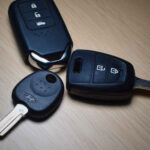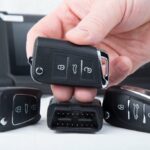
A replacement car key may look exactly like your old one and still fail to start the engine. That happens because many vehicle keys do more than move a mechanical lock. They also contain electronic components that communicate with the vehicle’s security system.
Car key programming in Brooklyn is the process of registering a compatible transponder key, key fob, or smart key with the vehicle, so the car recognizes it as an authorized key. Depending on the vehicle, programming may control engine starting, remote locking, push-button start, or several functions together.
Understanding the difference between cutting and programming can save drivers from buying a replacement key that fits the ignition but does not operate the vehicle.
What Does Car Key Programming Mean?
Car key programming connects the electronic part of a replacement key with the vehicle’s security system.
Many modern vehicles use an immobilizer. The system checks whether an authorized key is present before allowing normal engine operation.
A technical paper published through SAE describes an immobilizer system as one that permits engine starting after the vehicle confirms that the correct key is being used. The communication between the vehicle and the transponder inside the key is part of that process.
This means two separate things can happen with one car key.
The physical portion may be cut to match the locks.
The electronic portion may need to be programmed, so the vehicle accepts it.
If only the metal blade is copied on a vehicle that requires electronic authorization, the replacement may unlock the door while still failing to start the engine.
How Does a Transponder Car Key Work?
A transponder key contains a small electronic chip.
When an authorized key is used, the vehicle’s immobilizer system recognizes information associated with that key. If the expected authorization is not present, the vehicle can prevent normal engine starting.
NHTSA documents describing vehicle immobilizer systems explain that these systems are intended to stop the engine from starting when the correct authorized key is not recognized.
This technology is one reason transponder key programming became a regular part of automotive locksmith work.
The visible shape of two keys can be identical while their electronic status is different.
One may already be registered to the vehicle. The other may still need programming.
Car Key Cutting and Car Key Programming Are Different Jobs
Drivers often use “make a new key” to describe the complete service, but several steps can be involved.
Car key cutting creates the physical key blade that a vehicle uses.
Car key programming deals with electronic authorization.
Some vehicles use both.
Others use a smart key or proximity fob where a traditional metal blade plays only a limited backup role.
ALOA, an association for security professionals, lists both creating replacement vehicle keys and providing replacement transponder keys and alarm fobs among services locksmiths may perform.
This distinction becomes important when ordering a replacement online. A product described as compatible with your year and model may still require cutting, programming, or both before it functions with your particular vehicle. Our prior guide on this topic covers the cutting side of the process in more depth.
How Does Car Key Programming Work?
The exact programming procedure differs by manufacturer, model, year, security system, and key type.
From a driver’s point of view, the professional process can be understood in a few broad stages.
First, the vehicle and key types are identified. The technician needs to determine whether the vehicle uses a traditional transponder key, remote-head key, separate remote, proximity fob, or another system.
Next, the replacement must be compatible with that vehicle.
If a physical blade is required, it may also need to be cut.
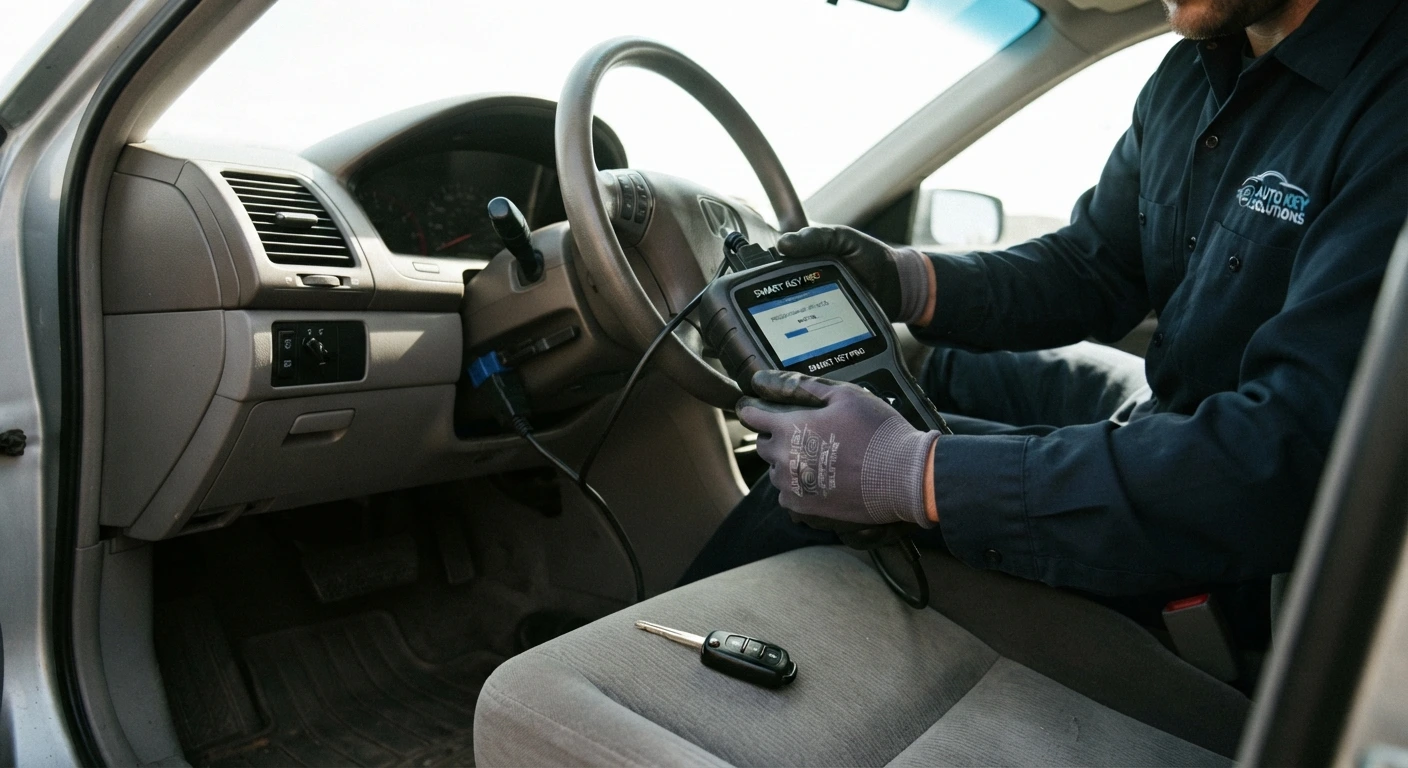
The technician then uses the procedure and equipment appropriate for that vehicle to register the authorized replacement with its security system.
Finally, the key is tested. Depending on its functions, testing can include starting the vehicle, locking and unlocking doors, operating remote buttons, and checking proximity or push-button-start functions.
The important point is that car key programming in Brooklyn is not simply copying a code from one visible key to another. The replacement must work with the vehicle’s electronic security design.
When Do You Need Car Key Programming in Brooklyn?
Programming is commonly needed when an electronic replacement key has not yet been registered with the car.
That can happen in several situations.
You Lost Your Only Car Key
Losing the only working key creates a different problem from making a spare while another key is available.
A replacement may need to be created for the vehicle and electronically registered before the car can return to normal operation.
Ownership and vehicle information become important during this type of service because the work affects access to and operation of the vehicle.
You Bought a Replacement Transponder Key
A new transponder key may have the correct physical design without being authorized by your car.
Programming may still be required before the immobilizer recognizes it.
Buying the correct key blank or replacement product is therefore only part of the job.
You Replaced a Smart Key or Proximity Fob
Push-button-start vehicles often use smart keys that communicate electronically with the car.
A new smart key normally needs to be associated with the correct vehicle before its intended functions work.
The process can vary significantly between brands and model years.
A Working Key or Fob Was Damaged
Physical damage can affect a key even when the blade still looks usable.
Water, impact, damaged buttons, worn cases, or electronic problems can affect a key or fob.
The first step should be to find out whether the problem is actually programming. Reprogramming will not repair every damaged electronic component.
A Dead Key Fob Battery Does Not Always Mean Programming Is Lost
A key fob that suddenly stops responding may need something much simpler than programming.
ALOA identifies a dead battery as one of the most common key-fob problems.
If the buttons stop locking or unlocking the vehicle, the battery is one of the first things to check.
A battery problem and a programming problem are not the same problem.
Replacing the battery may restore remote functions when the fob itself and its authorization remain intact.
If a new battery does not correct the problem, the fob, vehicle receiver, electronic system, or programming status may need further diagnosis.
Starting with diagnosis can prevent paying for key fob programming when the problem is only a battery.
Remote Programming and Immobilizer Programming Can Be Different
The buttons that lock the doors and the electronic authorization that permits the vehicle to start do not always operate as one system.
A key can therefore have more than one electronic function.
The remote section may control lock, unlock, trunk, or alarm features.
The transponder or smart-key portion may be involved in immobilizer authorization.
This explains why a replacement key may start the vehicle but have remote buttons that do not work, or why another key may unlock the doors but fail to start the engine.
A technician needs to identify which function has failed before recommending car key programming.
Smart Key Programming Is Not the Same for Every Vehicle
Vehicle key technology has changed considerably over time.
Older vehicles may use a traditional metal key with a transponder chip.
Other vehicles combine the blade, remote buttons, and transponder into one housing.
Newer models may use proximity systems where the driver can keep the smart key in a pocket while unlocking or starting the car.
Because these systems differ, there is no one programming procedure that applies to every manufacturer.
Vehicle year matters too.
Two cars with the same model name, but different production years can use different key systems.
That is why accurate vehicle information should be provided before a replacement key is selected.
Can a Used Key Fob Be Programmed for Another Car?
A used fob should not be assumed to work simply because it came from the same vehicle brand.
Compatibility depends on the particular key, vehicle, security design, and whether that type of key can be reused.
Some electronic keys may have restrictions that make reuse impractical or unsupported.
Before buying a secondhand fob to save money, confirm whether that exact product can be used with the intended vehicle.
Otherwise, you can end up paying for a key that cannot be successfully registered.
The safest purchasing decision is based on vehicle identification and required key specifications rather than appearance alone.
Why Vehicle Ownership Verification Matters Before Car Key Programming
Programming an automotive key affects who can operate the vehicle.
A professional service should therefore establish that the person requesting the work has authority to access the car.
Drivers should be ready to provide suitable identification and vehicle ownership or authorization information when requested.
This is particularly important for all keys-lost situations, where there is no existing working key available.
Automotive locksmithing is a specialized part of the security field. ALOA’s automotive certification program covers areas that include key and fob duplication and origination, reflecting the specialist knowledge involved in modern vehicle keys.
Can a Car Key Lose Its Programming?
Drivers sometimes assume that every key failure means the vehicle has forgotten the key.
That is not always what happens.
A failing fob battery, damaged key, vehicle battery issue, electronic fault, interference, or mechanical problem can produce symptoms that look like lost programming.
For example, a Nissan technical bulletin published through NHTSA notes that surrounding radio-frequency signals can interfere with key signals in some circumstances.
Diagnosis should therefore come before replacing or reprogramming parts.
If one key works and another does not, that information can help narrow the problem.
If no keys work, the vehicle itself may also need attention.
Should You Get a Spare Key Programmed Before Losing the Original?
Creating a spare while you still have a working key can prevent a stressful all-keys-lost situation later.
You know the current key works, the vehicle can be identified, and you can test the replacement before you depend on it.
A spare is particularly useful for households with more than one driver.
Store it somewhere controlled rather than inside the vehicle.
NHTSA’s vehicle-theft guidance advises drivers not to leave keys in the vehicle and to use vehicle anti-theft systems such as immobilizers where equipped.
The spare should solve a future lockout problem without creating another unauthorized-access risk.
Get Car Key Programming Done for the Key and Vehicle You Actually Have
A car key can have a correctly cut blade, working buttons, a transponder chip, and an immobilizer function, and each part can create a different problem. Replacing or programming components without first identifying what has failed can lead to unnecessary work.
Susu Locksmith can help Brooklyn drivers determine whether the problem calls for car key programming, a replacement transponder key, key cutting, fob service, or another automotive key solution. Since vehicle security systems differ by make, model, year, and key type, we start with the specific vehicle rather than treating every electronic key the same way. If your replacement key will not start the car, a smart key has stopped working, or you have lost your only key, contact us before paying for programming that may not address the actual problem.