Your key suddenly stops turning, or your deadbolt refuses to lock. The door still works, but something does not feel right. Should you ignore the warning signs and wait for the lock to fail completely?
Small lock problems rarely become easier to deal with when they are ignored. Worn parts can get worse, misaligned doors can put extra pressure on the lock, and one failed component can eventually leave you locked out. Brooklyn homes, apartments, offices, storefronts, and rental properties rely on locks every day. Constant use, aging hardware, damaged keys, door movement, and attempted break-ins can all affect how well a lock works. Knowing the warning signs can help you decide when a simple adjustment is no longer enough. Here are seven common lock problems a professional locksmith can diagnose and fix.
-
The Key Won’t Turn or Gets Stuck
Few things are more frustrating than putting your key into the lock and finding that it will not turn. Repeatedly forcing the key can make the problem worse, especially when the key is already worn or the lock mechanism is damaged.
What Could Be Causing the Problem?
Several issues can produce the same symptom:
- A worn or damaged key
- Dirt or debris inside the lock
- A worn cylinder
- Internal lock damage
- Misalignment between the door and frame
- Pressure on the deadbolt
Sometimes the key itself is the problem. Other situations require the locksmith to inspect the lock and door alignment before deciding whether the lock needs repair or replacement.
Note: Never assume a key that still looks usable is actually in good condition. Small bends and worn cuts can affect how smoothly the lock operates.
-
Your Door Lock Is Hard to Turn
Locks should not require excessive force during normal use. Resistance when turning a key or thumb turn can point to a mechanical issue, pressure from the door, or a problem with the locking components.
Why Does a Lock Become Difficult to Operate?
Locksmith will usually look at both the lock and the door rather than replacing hardware immediately. A sagging door, loose hinges, or a strike plate that no longer lines up with the latch can put pressure on the locking mechanism.
Schlage also notes that door alignment problems can prevent a deadbolt from operating smoothly and may require adjustment to the strike or doorjamb. Proper diagnosis matters here. Replacing a perfectly good lock will not solve a door that is sitting incorrectly in its frame.
-
The Deadbolt Does Not Line Up With the Strike Plate
Your deadbolt may work perfectly when the door is open but refuse to extend when the door is closed. That difference often points toward an alignment problem.
What Can Throw Off the Alignment?
Door movement does not always happen suddenly. Hinges can loosen, frames can shift, and changes in the door itself can affect where the bolt meets the strike plate.
Signs include:
- The bolt hits the edge of the strike plate
- You have to push or pull the door to lock it
- The lock works better at certain times of the year
- The door needs extra pressure before the deadbolt will extend
Locksmith can inspect the door, frame, hinges, strike plate, and lock to find where the problem starts. Fixing the alignment may be enough to restore smooth operation without replacing the entire lock.
-
The Lock Is Loose or Wobbly
Loose hardware might seem like a minor annoyance, especially when the key still works. Ignoring the movement, however, can allow the problem to progress. Repeated use can loosen mounting screws and hardware. Damage around the lock can also affect how securely the hardware sits in the door.
When Tightening Is Not Enough
Locksmith can check whether the problem comes from:
- Loose mounting screws
- Damaged lock components
- A worn door or frame
- Incorrect installation
- Broken or weakened hardware
Simple tightening may solve some cases. Damaged components may need repair or replacement. A lock should feel secure when you use it. Excessive movement is worth checking before the hardware fails completely.
-
Your Key Breaks Inside the Lock
Keys are designed to withstand repeated use, but metal eventually wears down. Bending, corrosion, previous damage, or excessive force can increase the chance of a key snapping inside the cylinder. Trying to pull the broken piece out with another key or household tool can push the fragment farther inside.
What Can a Locksmith Do?
Professional locksmiths have tools designed to remove broken key pieces while reducing the risk of damaging the lock. Once the key is removed, the locksmith can inspect the cylinder and determine whether the original lock can continue working safely. Replacement key may solve the problem when the lock itself is fine. Worn or damaged cylinders may need a different solution.
-
Your Lock Stops Working After an Attempted Break-In
Damage from an attempted break-in can go beyond visible scratches around the lock. The cylinder, latch, strike plate, door frame, and surrounding hardware may all need inspection.
Look Beyond the Lock Itself
Signs of forced entry can include:
- Bent or damaged lock hardware
- Scratches around the cylinder
- A damaged strike plate
- Loose door hardware
- Difficulty locking or unlocking the door
- Damage around the door frame
Security should be the priority after an attempted break-in. Locksmith can determine which components need repair or replacement and whether the current lock still provides the level of protection the property requires. Lock that still opens after an attempted break-in is not necessarily a lock that should still be trusted.
-
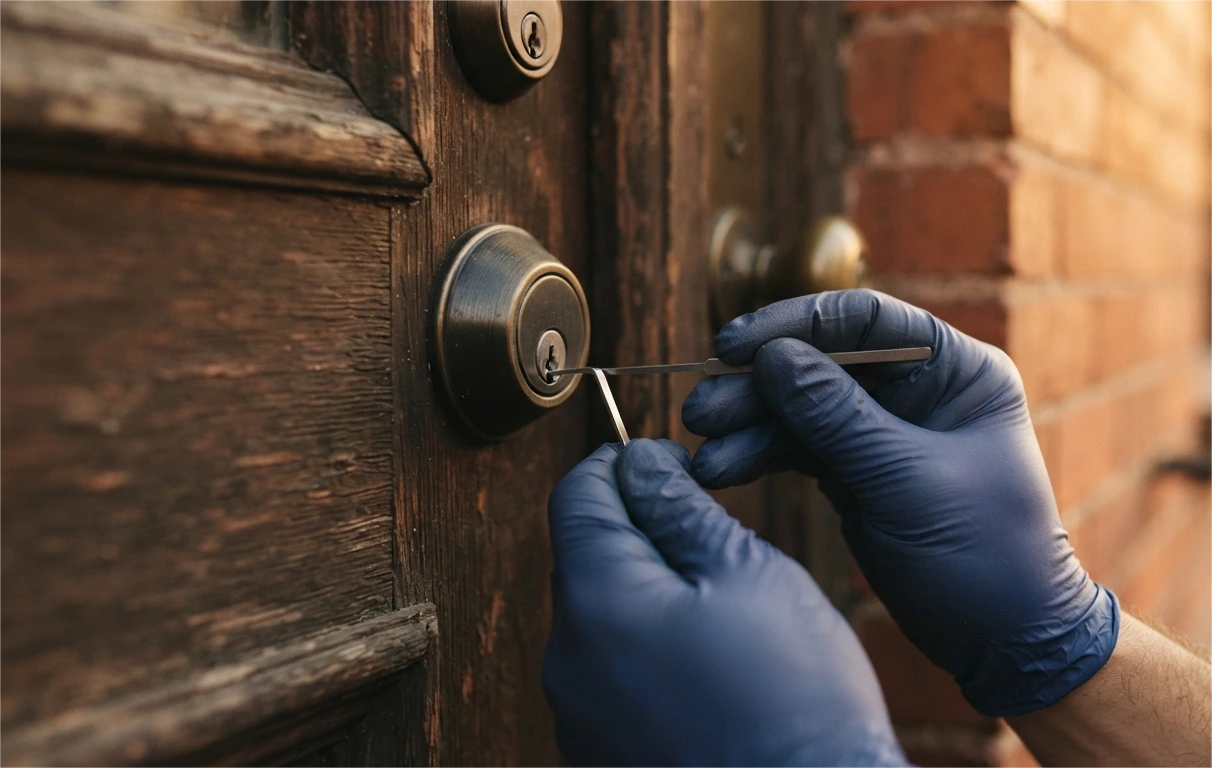
You Are Locked Out Because the Lock Has Failed
Lockouts do not always happen because someone lost their keys. Mechanical failure can leave you outside even when the key is safely in your pocket. Worn cylinders, broken internal parts, damaged keys, and malfunctioning electronic locks can all prevent normal entry.
What Happens During a Lockout?
Professional locksmith can assess the lock and determine the appropriate way to regain access. The goal is not simply to get the door open. The lock should also be checked afterward so you are not left with the same problem the next time you try to enter. Emergency lockout service can be particularly useful for apartments, businesses, rental properties, and other locations where waiting until the next business day is not practical.
When Should You Call a Locksmith Instead of Replacing the Lock?
Not every difficult lock needs to be replaced. Sometimes the real problem is the door, frame, key, strike plate, or another component surrounding the lock. Locksmith can inspect the complete setup before recommending a repair or replacement. That approach can save you from paying for new hardware when a smaller adjustment would solve the problem. Pay attention to changes in how your lock feels. Key that once turned smoothly but now sticks, a deadbolt that suddenly needs extra force, or a door that no longer lines up correctly can all be early signs of a problem.
What Should You Check Before Hiring a Locksmith in Brooklyn?
Choosing someone to work on your locks requires more than finding the first phone number in a search result. Check the company’s identity, service details, pricing, and credentials before allowing anyone to work on your property. New York City has specific licensing requirements for locksmith work. The city’s Department of Consumer and Worker Protection provides information about locksmith licensing and qualifications.
A Few Things Worth Checking
- Ask what service the locksmith will perform.
- Confirm the company’s business information.
- Ask for pricing details before work begins.
- Check reviews from other customers.
- Verify applicable licensing requirements.
- Ask whether repair or replacement is recommended and why.
Never feel pressured to approve unnecessary work. A professional should be able to explain what is wrong with the lock and what needs to be done.
Final Thoughts: Do Not Wait for a Lock to Fail Completely
Lock problems rarely become less troublesome when they are ignored. A sticking key can turn into a broken key. Misaligned deadbolt can become difficult to operate. Loose hardware can eventually stop securing the door properly. Susu Locksmith helps Brooklyn property owners deal with these problems before they become bigger disruptions. From lock repairs and broken key removal to lockouts, replacements, and other locksmith needs, the right service starts with identifying what is actually wrong with the lock.
When your key stops working, your deadbolt will not line up, or your lock simply does not feel right, contact Susu Locksmith for professional help instead of forcing the problem until the lock fails completely.
FAQs
How do I know if my lock needs repair or replacement?
A locksmith can inspect the lock, key, door alignment, and internal components to determine whether repair is practical. Replacement may make more sense when the lock is severely damaged, worn out, or no longer provides the security you need.
Can a locksmith fix a lock without replacing it?
Yes. Depending on the problem, a locksmith may repair or adjust the existing hardware, realign the strike plate, tighten loose components, replace a damaged cylinder, or remove a broken key.
Can a locksmith make a new key if I do not have the original?
In many cases, yes. A locksmith may be able to create a replacement key from the lock or use available key-cutting and decoding methods, depending on the lock type.
How long does a typical lock repair take?
Simple repairs or adjustments may take only a short time, while complicated damage, security upgrades, or multiple locks can require longer. The actual time depends on the lock type and the cause of the problem.
Can a locksmith repair electronic or smart locks?
Some locksmiths work with electronic and smart locking systems. The available service depends on the lock brand, model, type of failure, and whether the issue involves the mechanical hardware or electronic components.